-100x100.png "Whatsappla")
QR / Atlasın Yükü / The Burden of Atlas
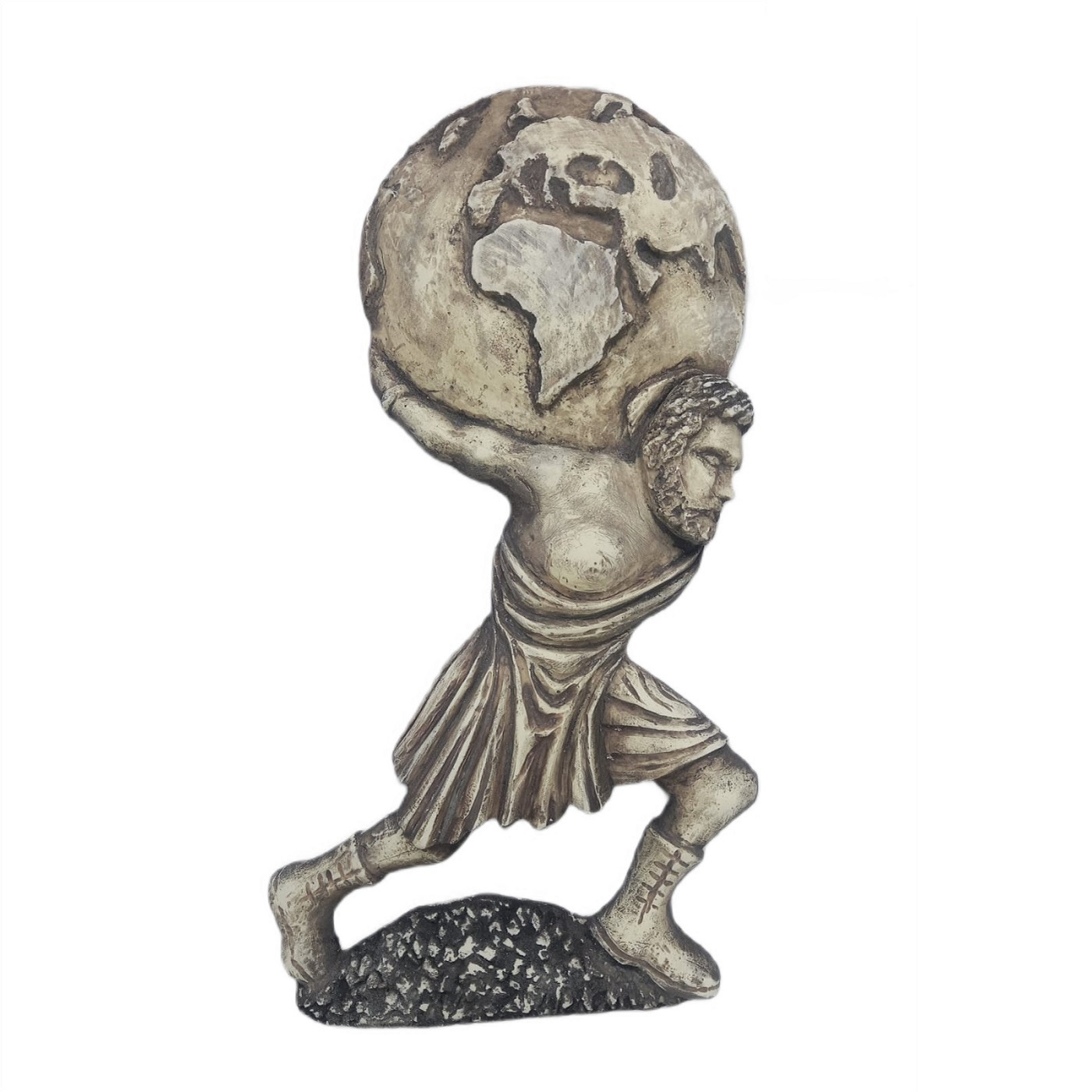
Atlas’ın Yükü: Gök Kubbeyi Taşıyan TitanYunan mitolojisinin arkaik dönemine uzanan bu figür, İapetos ve Klymene’nin oğlu olan Titan Atlas’ı temsil eder. Atlas’ın hikayesi, bir güç gösterisinden ziyade, kozmik bir düzenin tesisi ve ebedi bir sadakat (veya zorunluluk) öyküsüdür. 1. Kozmik İsyan: TitanomakhiaAtlas, Olimposlu tanrılar (Zeus ve kardeşleri) ile eski tanrılar olan Titanlar arasındaki on yıl süren büyük savaşta (Titanomakhia), Titan ordularının komutanıydı. Zeus ve müttefikleri savaşı kazandığında, Titanların çoğu yer altı dünyasının en derin yeri olan Tartaros’a hapsedildi. Ancak Atlas için Zeus, çok daha özel ve ibretlik bir ceza tasarladı. 2. Gök Kubbenin AğırlığıYaygın bir yanılgının aksine, klasik mitolojide Atlas dünyayı değil, gök kubbeyi (uranos) omuzlarında taşır. Sanat eserinde görülen küre, dünyadan ziyade evreni ve göksel küreyi simgeler. Zeus, Atlas’ı dünyanın en batı ucuna, Hesperidlerin bahçesinin yakınına yerleştirmiş ve gökyüzü ile yeryüzünün birbirine değmemesi, kozmik dengenin bozulmaması için onu "Ayırıcı" olarak görevlendirmiştir. 3. Felsefi ve Sembolik DerinlikAtlas figürü, tarih boyunca sanat ve felsefede farklı kavramların taşıyıcısı olmuştur:
|
The Burden of Atlas: The Titan of Celestial EquilibriumThis relief portrays Atlas, one of the most formidable figures of the archaic Greek pantheon. As a leader of the Titans during the Titanomachy—the ten-year war against the Olympian gods—Atlas was singled out by Zeus for a unique and eternal punishment. The Cosmological Significance Contrary to popular belief, Atlas does not carry the Earth on his shoulders. According to classical mythology (as cited in Hesiod’s Theogony), he was condemned to stand at the western edge of the world and uphold the celestial sphere (the sky). His role is that of a "separator," ensuring that the Heavens and the Earth do not collapse into one another, thereby maintaining the cosmic order. Symbolic and Philosophical Interpretation
This relief captures the moment of perpetual tension—a fusion of divine punishment and the heroic strength required to keep the universe in balance. |